
PSHE
Curriculum Menu
PSHE Curriculum
Personal, Social, Health and Citizenship, Economic Education (PSHE) refers to all the planned learning opportunities that our school provides to promote personal, social and health development through the curriculum as a whole. This includes opportunities provided by the core and foundation subjects of the National Curriculum and other subjects, including ;
- Personal Social and Health Education Courses
- Assemblies
- Circle Time
- Guidance and Support Systems
- Outdoor Play Provision
- Trips
- Visits
- Extra-Curricular Activities
- Special Projects and other events which enrich young people’s experiences
Any such experiences should enable pupils to:
- Explore the values and beliefs which influence individuals and their relationships with others and the wider world
- Respond to their present lives and prepare for work and adult life
- Emphasise practical activities, decision making and learning through experience and co-operation
- Provide relevant ways in which skills may be developed
- Develop community links
PSHE and citizenship is concerned with the qualities and attitudes, knowledge and understanding and abilities and skills in relation to oneself and others, social responsibilities and morality. It helps pupils to be considerate and enterprising, while preparing them for informed and active involvement in family, social, economic and civic life. It plays an important part in bringing relevance, breadth and balance to the curriculum, and has become an entitlement for all pupils.


Healthy– having a healthy heart, letting love in and out. Having healthy relationships, both on and offline.
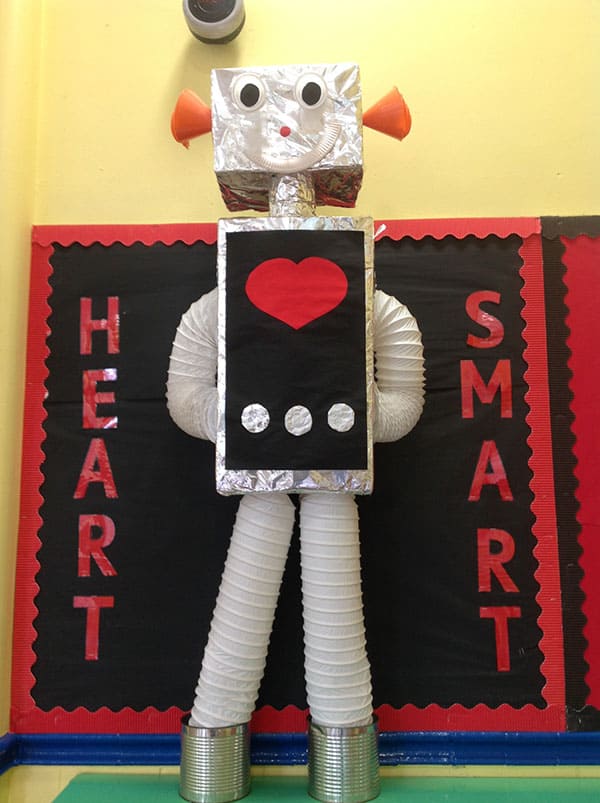
Heartsmart– looking after their own and others hearts.
Proud– being proud of who they are and confident in their abilities. Links with Character education- confidence, self-worth and happiness.
Enthusiastic– showing a willingness to take part in different types of lessons, discussion, activities, written and oral work.
Expressive– role play scenarios that they may come across in life and how they would deal with the situation. Being expressive with their involvement in class discussion.
Resilient– growth mindset, knowing that we can learn from mistakes. Links with Character education- resilience.
Articulate– having the confidence to speak during sensitive lessons and topics that they may find uncomfortable.
Aspirational– growth mindset, looking at people who have achieved something from working hard.
Enquiring– showing an interest and learning about other people’s heart and how we can look after them. An enquiring mind is also evidence of growth mindset.
Ready, Respectful, Safe– our school rules, reminded of in day to day work, being ready to learn, respecting ourselves and others during class discussion, being safe both on and offline and keeping ourselves healthy.
Tolerant– being accepting of one another’s feelings and opinions and respecting these.
Inclusive– knowing everyone’s opinions and feelings should be valued and treating everyone the same.
Kind– being caring and empathetic towards others in class and knowing the classroom is a safe space where children can express their thoughts and feelings.